Understanding cardiovascular health often feels like solving a mystery where the most important clues stay hidden. Many people frequently ask, “What are the high cholesterol symptoms?” because the body rarely follows the rules of typical illnesses. While most expect a clear signal when something is wrong, this condition operates differently, making early education essential for survival.
Most people assume that a health issue will announce itself through pain or visible changes. However, when it involves arterial health, the reality is much quieter. Medical professionals frequently refer to elevated lipids as a “silent killer” because the damage occurs internally over several years. Therefore, asking “What are the high cholesterol symptoms?” is a vital first step toward long-term wellness. Awareness serves as the best defense against a condition that prefers to stay invisible until a crisis occurs.
It is essential to clarify a major misconception right away. In the vast majority of cases, there are no physical signs that indicate levels are rising. One cannot feel plaque accumulating on artery walls, nor can one see the blood becoming thicker with fats.
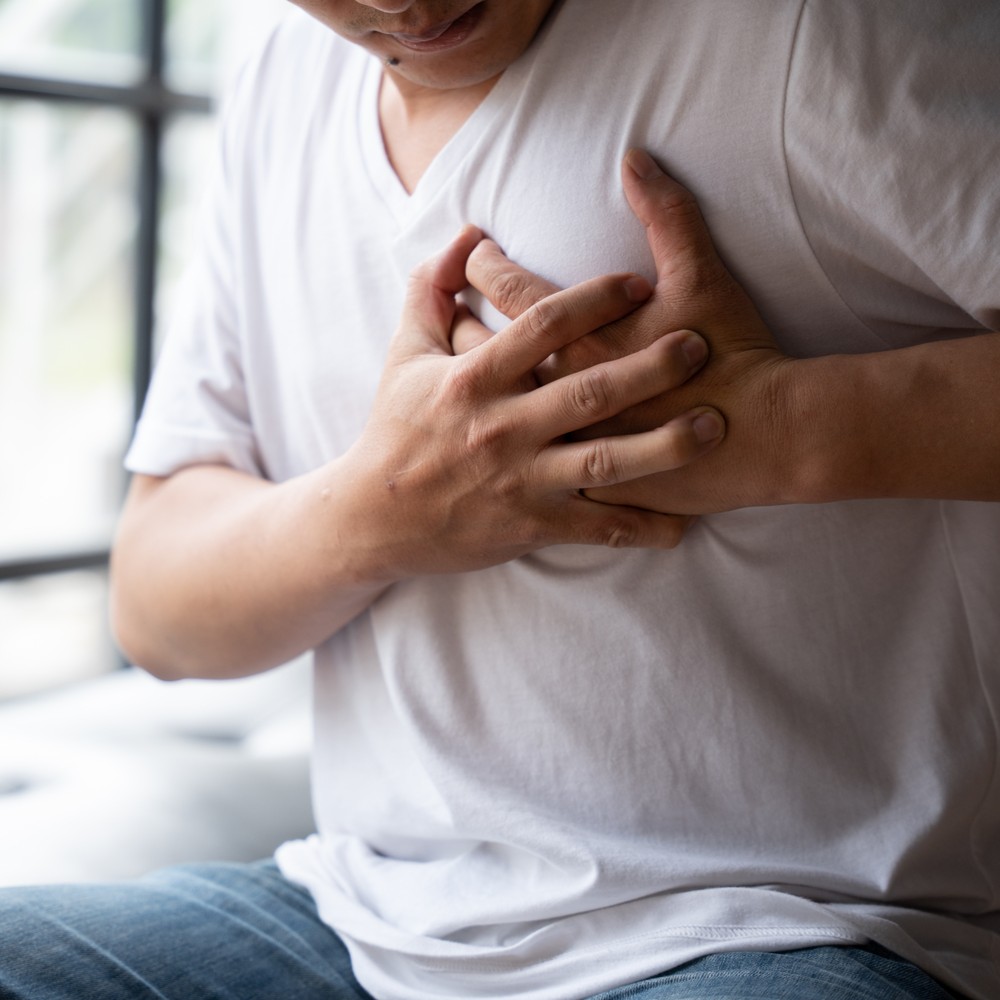
When people search for “What are the high cholesterol symptoms?”, they often find information about chest pain or shortness of breath. While these are serious, they are actually signs of heart disease -the result of long-term, untreated cholesterol- rather than indicators of the cholesterol itself. This distinction matters because waiting for physical discomfort usually means the condition has already progressed.
Why Are High Cholesterol Symptoms Hard to Detect?
Tips to reduce cholesterol levels.
Imagine living with the peace of mind that comes from knowing exactly what is happening inside the body. Since the answer to “What are the high cholesterol symptoms?” is essentially “none,” the power shifts from observation to action. Reliable data from a simple blood test provides the clarity that physical feelings cannot offer.
Lowering risk factors leads to a more vibrant, energetic life. By managing diet, increasing physical activity, and consulting with a doctor, the trajectory of heart health changes significantly. The goal is to ensure that the question of “What are the high cholesterol symptoms?” never turns into a discussion about recovering from a stroke or heart disease.
| Common Myths | Scientific Reality |
| Only older people have it | Children and young adults can have high levels |
| Thin people are safe | Body weight does not always reflect blood chemistry |
| You can feel high cholesterol | It is almost always asymptomatic |
Don’t wait for a physical sign that may never come. Because the body does not provide obvious high cholesterol symptoms, the only definitive way to know the status of your arteries is through a lipid panel. This blood test measures LDL (bad cholesterol), HDL (good cholesterol), and triglycerides.
Schedule a check-up this week to get a baseline reading. If the results are high, a healthcare provider can create a personalized plan involving lifestyle changes or medication. Understanding what the high cholesterol symptoms are is the ultimate motivation to stay proactive. Take charge of heart health now to ensure a stronger, safer future.