
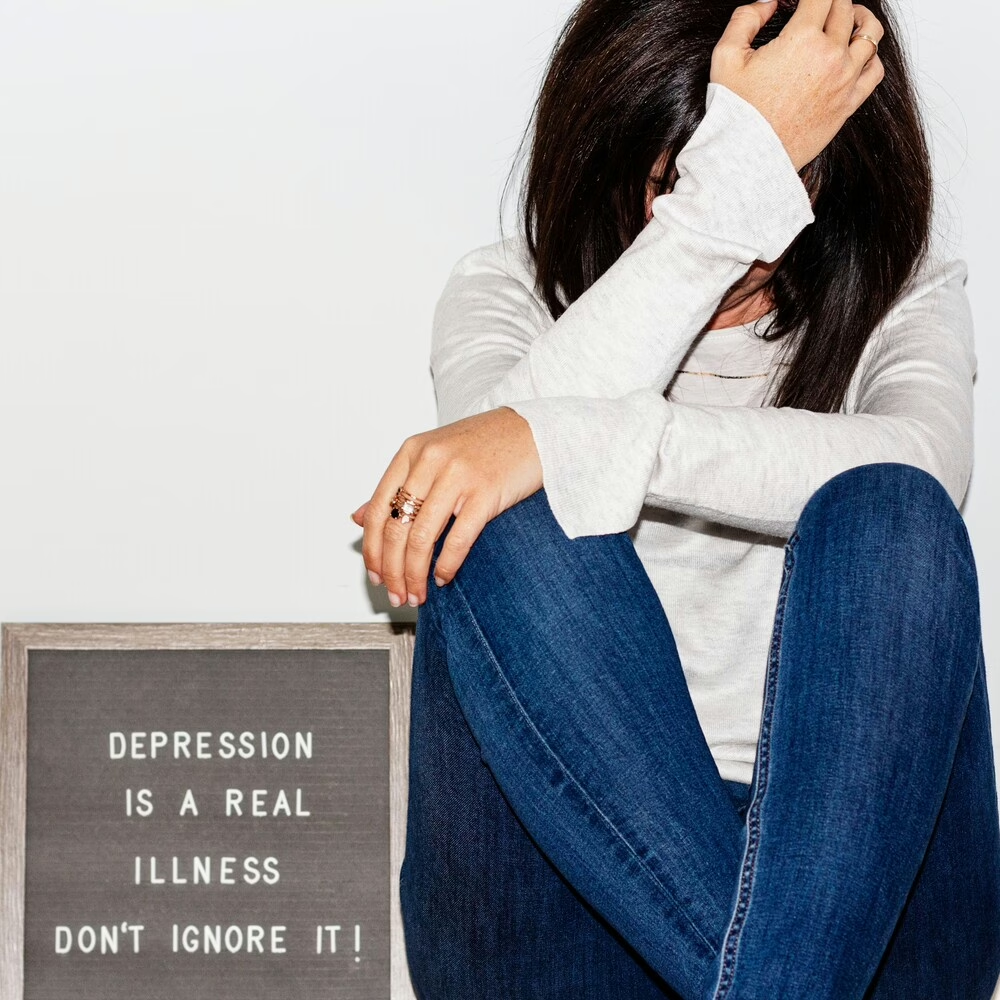
Many people experience temporary sadness, but clinical depression is significantly different, persisting for most of the day, nearly every day, for at least two weeks. This serious mood disorder affects your thoughts, feelings, and daily functions, making basic activities incredibly difficult to manage. Understanding the common depression symptoms is the vital first step toward seeking necessary support and starting the journey to recovery and better mental health. It is not merely about feeling “blue” for a few days; it is a profound and chronic change in one’s overall well-being.
Therefore, what precisely are these persistent depression symptoms that distinguish the condition from everyday low moods and sadness? They are wide-ranging, affecting emotional, behavioral, and physical health, indicating a complex condition that needs professional attention. Individuals frequently report an overwhelming feeling of sadness, emptiness, or hopelessness, often accompanied by a significant loss of interest or pleasure in hobbies and activities they once genuinely enjoyed, which is known as anhedonia.
Furthermore, other frequently reported depression symptoms include pronounced changes in sleep patterns, such as insomnia or excessive sleeping (hypersomnia), which leave the individual feeling constantly fatigued, sluggish, and physically drained. You might also notice dramatic shifts in appetite, leading to unexpected weight gain or loss, or perhaps experience difficulty concentrating, remembering details, or making even simple decisions. Irritability, frustration, and feelings of worthlessness or excessive guilt are also important behavioral indicators. People must recognize these persistent signs because effective treatments, including talk therapy and medication, are readily available, promising a significant return to a more fulfilling life.
If you or someone you care about has been experiencing these specific depression symptoms consistently for two weeks or longer, it is crucial to consult a healthcare professional. Taking prompt action is the most impactful step toward effective diagnosis and beginning a tailored treatment plan. Act now: Contact a doctor today for a free, confidential initial consultation to discuss your depression symptoms and explore your treatment options.